


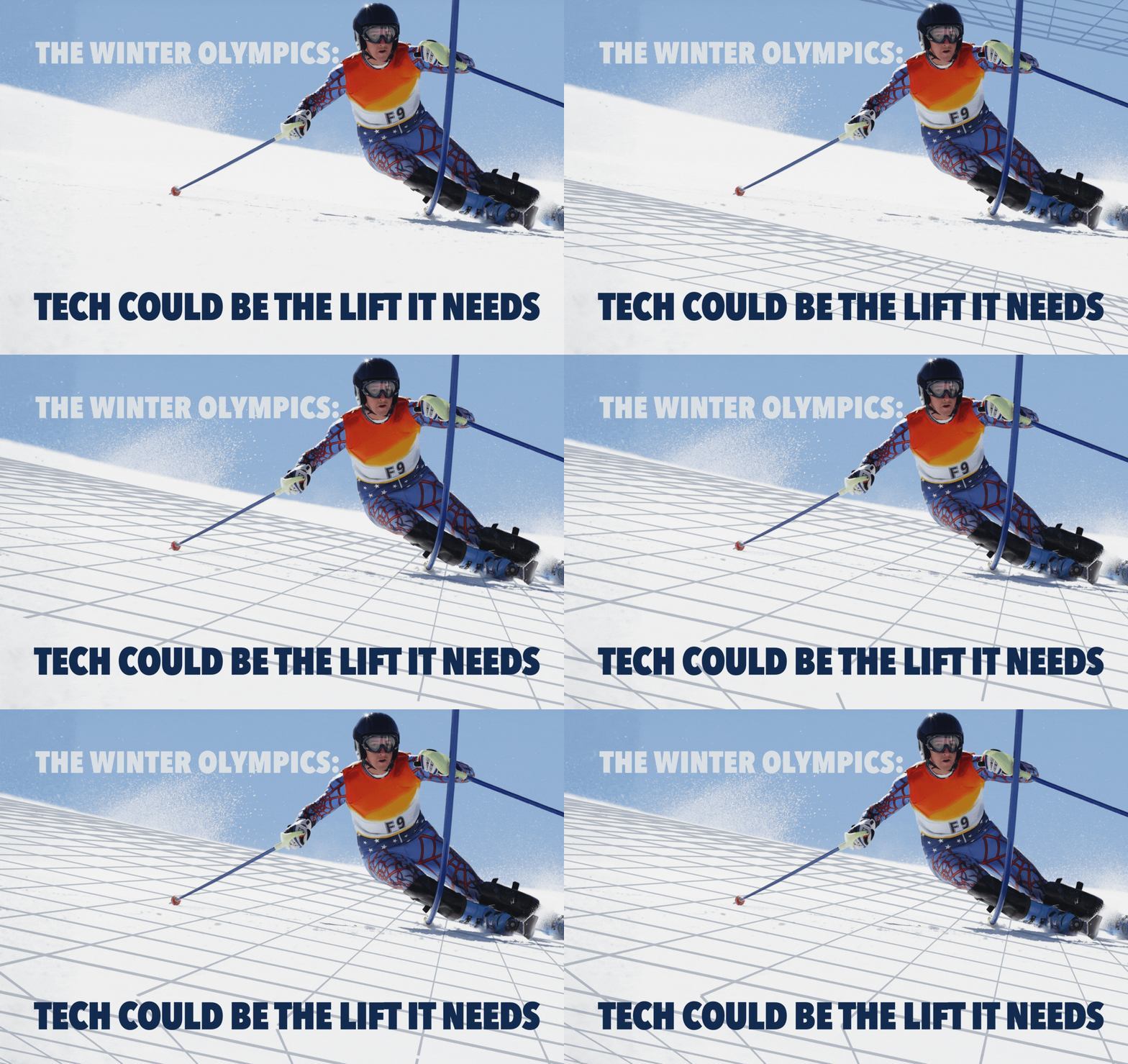
The next Winter Games is only weeks away, and word has it there is a touch of anxiety at IOC HQ. Not panic, just the quiet realization that the world has changed faster than The Games have kept pace. Somewhere in the building, a Fit for the Future strategy paper is doing the rounds. It looks at how the Winter Games might appeal to new audiences, lift visibility and steady the model for the decades ahead.
Good. It is needed. Anyone remembering organizers trying to make snow quicker than the sun can melt it will agree the sustainability question cannot be kicked any further down the piste. Sochi’s vanishing white carpets and Nagano’s gently rusting infrastructure are reminders that even the most storied sporting festivals need a post-competition plan.
But the other parts of the strategy – the bits about visibility and ‘reaching new audiences’, including mooting making judo a winter sport – that is simpler to solve. Winter sport has a habit of forgetting one essential rule of modern attention: stars and their stats sell. Stars create anticipation, turn events into occasions and pull in casual fans. Yet the Games behave as though their job is to mint champions, not to build the stage long before the opening ceremony.
It is the opposite of what every successful sport does. In football, tennis, golf, Formula One – even darts – the marketing engine never sleeps. Using the very best social media and marketing tech available, it creates household names months in advance and invites audiences to follow the characters as much as the competition. By comparison, the Winter Games still operates on a sort of ‘if we build it they will come’ philosophy.
Except they do not always come. Ask the average person to name an athlete expected to compete in February. If you hear ’Mikaela Shiffrin’ or ‘Chloe Kim’, you have found a connoisseur. Despite millions skiing every year, that vast pool of participation does not convert into viewers at Games time.
And that is the puzzle worth solving. Winter sport has the drama, the jeopardy, the gravity defying brilliance – and a pretty backdrop – to captivate almost anyone. What it has not done is shine a bright enough light on the athletes early enough. Make more stars before the Games and you turn the event from a two week showcase into a season long story.
Do that, and the slide stops. Judo stays put in the summer, and the Games rediscover the momentum they deserve.
No comment yet, add your voice below!