The Smarter Sports Review
Executive Summary
As the sports sector matures, it is encouraging to see no shortage of strong technology. What remains in shorter supply is clarity.
Across performance, officiating, media, fandom and public investment, innovation has moved faster than the industry’s ability to explain what it is for, how it works, and why it matters. As a result, this year’s Smarter Sports Review is less interested in novelty and more concerned with consequence. The common thread across every chapter is not speed, spectacle or scale, but intelligence, its potential, and the conditions required to trust it.
At the performance end of sport, running and playing surfaces are no longer neutral. International design and architecture firm, HOK, explores how tracks, pitches and courts are being reengineered as data-aware systems, capable of influencing biomechanics, injury load and conditions. The implications extend beyond performance, reshaping how venues are specified, powered and protected as they shift between sport and non-sport use. As athletes navigate evolving image and data rights, the next battleground for fairness and welfare may well sit beneath their feet.
The same shift from retrospective insight to real-time understanding defines the rise of augmented reality. AR performance specialists, FORM, show how athletes can be guided in the moment through in-vision performance data, without distraction. Frictionless no longer simply means easy. It means technology that disappears. When it does, the outcome is not just better training, but scalable coaching models and more intelligent broadcast experiences.
Trust emerges as a defining theme throughout the Review. Video replay showed fans what happened, but rarely explained why decisions were made. Personar, which creates AI-powered sports audio intelligence. explores how AI-enabled access to referee and race control communications is beginning to close that gap by making decision-making audible and intelligible to fans. Hearing the reasoning behind decisions does not remove disagreement, but it replaces frustration with understanding. Transparency is moving from experiment to expectation, and once that line is crossed, there is no return.
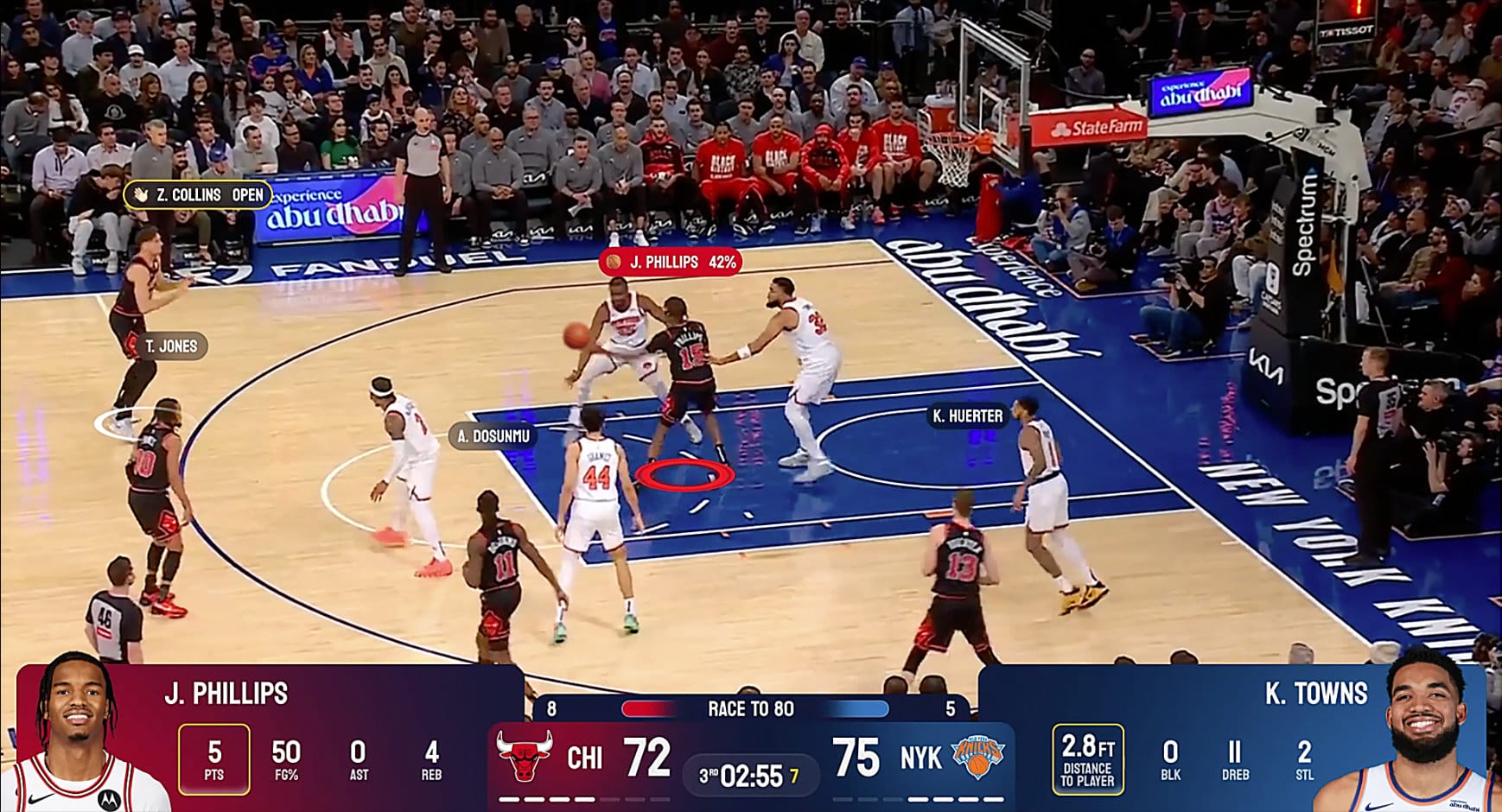
At ecosystem scale, AI is reshaping how sport is produced, consumed and commercialized. Global sports data brand, Sportradar, examines how ultra-low latency data, computer vision and generative systems are turning live moments into accurate, personalized narratives at speed. In sport, being “mostly right” is not enough. Investing in data quality is a more robust strategy than attempting to repair lost trust.
Value, meanwhile, is under sharper scrutiny than at any point in recent memory. TSC (The Sports Consultancy) as sports commercial advisory firm, addresses the demand for consistent, portfolio-wide evidence of impact across events, programs and assets. Brands, rights holders and public bodies increasingly require measurement that captures economic, social, reputational and environmental outcomes together. Post-event evaluation is giving way to understanding returns before commitments are made.
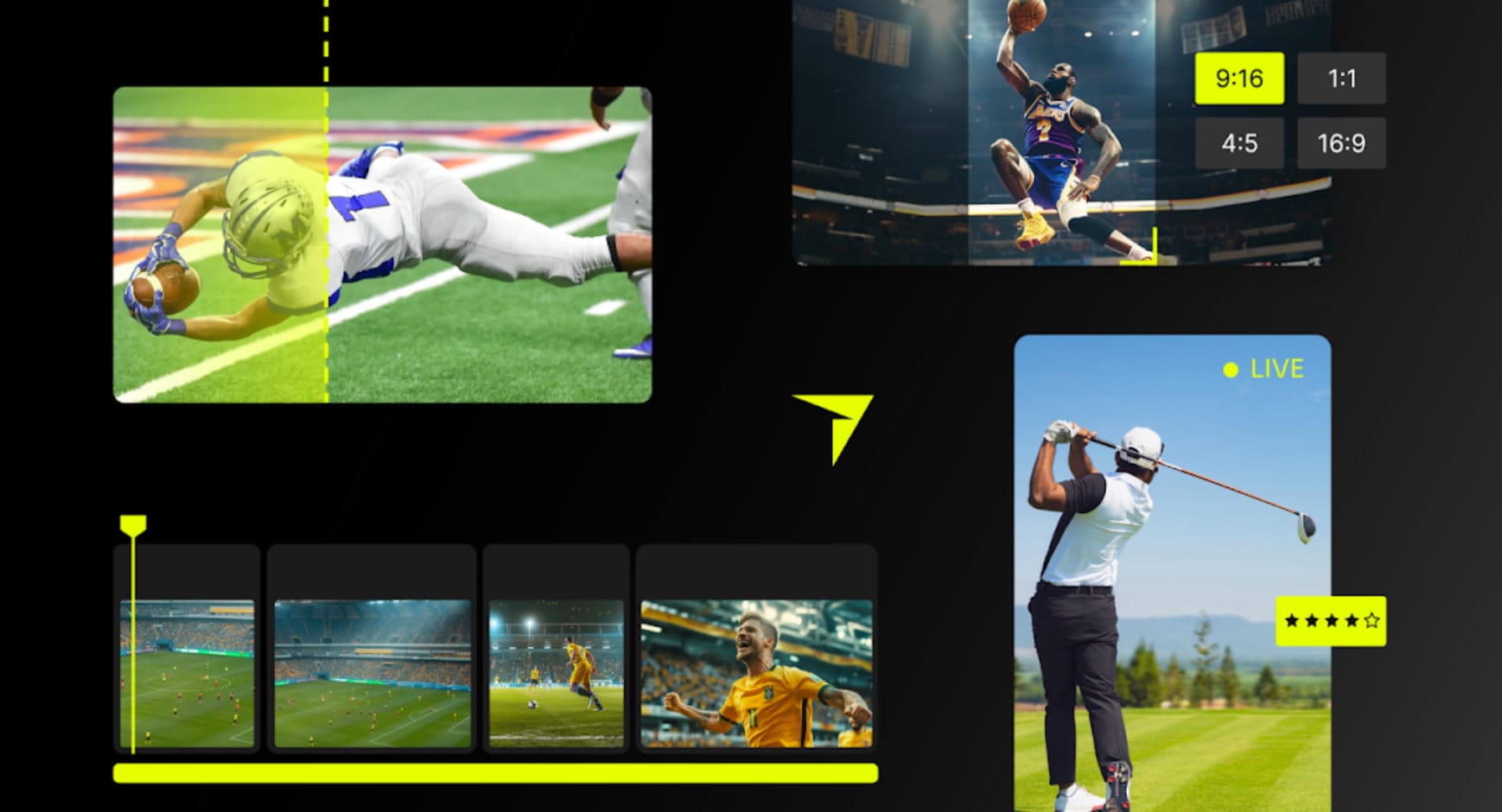
Finally, fandom itself is being redefined. WSC Sports – leaders in sports video automation and personalizatio – argues that loyalty is no longer linear or predictable, but shaped by moments, platforms and context. Content is not simply storytelling; it is signal. Every view, skip and share reveals intent. The organizations that succeed will be those that connect those signals, activate insight in real time, and treat content, data and revenue as parts of the same system rather than separate functions.
Taken together, the picture is clear. Sport is becoming observable, interpretable and accountable in ways it has never been before. Technology is no longer the story. What matters is how intelligently it is applied, how transparently it is governed, and how convincingly it proves its worth.
Technology may be clever, but without smart intent and trust creation, investment will struggle to translate into value.