
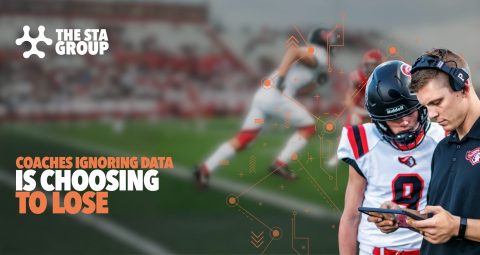
If you ignore coaching data in 2026, you are choosing to lose more often than you need to.
In a range of recent high profile matches, some players looked like they needed recovery, not another game. Fatigue is not a moral failing. It is measurable. Load, collision count, high speed metres, recovery curves, sleep, neuromuscular response. These are not abstract ideas. They are daily dashboards that need to be considered.
Some well known teams have parted ways with analysts and lost. Not solely because of that choice but removing structured insight before important competitions is not a neutral act. It must have reduced clarity and in elite sport, clarity matters.
Sports tech is now a multibillion-dollar industry which was built on something more substantial than simply ‘marginal gains’. Data changes outcomes, reduces guesswork and exposes bias. In business we are all prone to perpetuating our myths by making the same choices repeatedly, so to have hierarchy challenged and uncomfortable questions raised about the decisions we are making – whether that is what time we communicate or who makes the team sheet – is an essential check and balance.
Any boardroom analyst will confirm that the shift from instinct-led to data-led management is not easy. When the numbers arrive they rarely flatter legacy thinking and raise patterns that fly in the face of what you fundamentally think. It’s uncomfortable for anyone to have science trump sentiment, but it’s essential for growth.
Recently, I have heard several high profile coaches dismiss data with surprising confidence. I concede that their experience is hard-won and they know their players – and these things matter. But insight without measurement drifts into mythology, and what gets measured gets done.
Worse still, I have seen coaches explain data in with startling – no, shocking – inaccuracy. If that level of understanding sits inside elite environments, then the issue is not that sport has too much data, it is that some leaders still do not understand what it is for. Data does not replace judgement. It sharpens it, providing counterweight to ego.
No CEO would tell a finance team to ignore forecasting because they have a good gut instinct. No airline captain would switch off instrumentation mid-flight because they have flown the route before. Yet sport still allows romance even at the price of jeopardy.
We are now in an era where there is a strong seam of sophisticated tech-natives. They have grown up with wearables and digital platforms and trust the insights that they provide. They understand that success doesn’t belong to advisors who ‘feel’ performance the best, it will belong to those who feel it, measure it, and act on what the numbers reveal.