
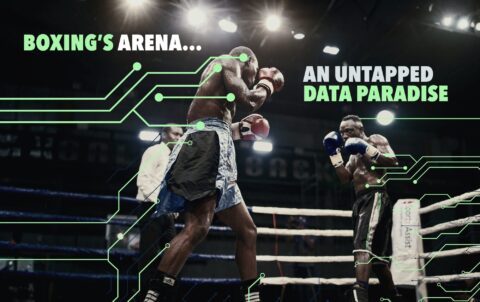
For anyone who witnessed the bout between Jeamie TKV and Frazer Clarke, a split decision after twelve rounds where every round looked like the twelfth, you might have been struck by just how bouncy the ropes were. Seeing two big lads land on them looked most WWE than the BBBofC.
It was a sharp reminder of something the sport rarely talks about: the ring is not just a stage, it is part of the performance. The legal size can range from 16 to 24 feet, and that range genuinely changes the rhythm of a fight. Give a technical mover more room and the theory is that footwork is cleaner, there are more reset points, and essentially, more chess. Bring the dimensions in and you up the ante on pressure, pace, and heavier exchanges. Rope tension adds another variable, and a surprisingly creative one; looser ropes encourage evasive work and counterpunching, while firmer ones promote centre-ring control. These differences do not distort boxing. They reveal fresh versions of it.
This is good, exciting stuff – and something the sport has yet to unlock fully. Basic instrumentation, such as rope tension gauges, corner stiffness profiles, simple accelerometers tracking rebound, could give promoters, commissions and broadcasters an even clearer understanding of how a ring will shape a bout. Doubtless those well-versed in the sport have the experience to judge it but for the rest of us, it could add a fascinating dimension to the sport, including the sense of why a fight unfolds the way it does. None of this requires intrusive technology. It simply applies the same curiosity other sports use to understand their playing environments.
The rash of contests looming between creators and pro fighters already show that the curiosity is there and If someone care to weaponize the intelligence rather than overlooking it, the spectacle itself will claim more fans, not least of all the bookies.